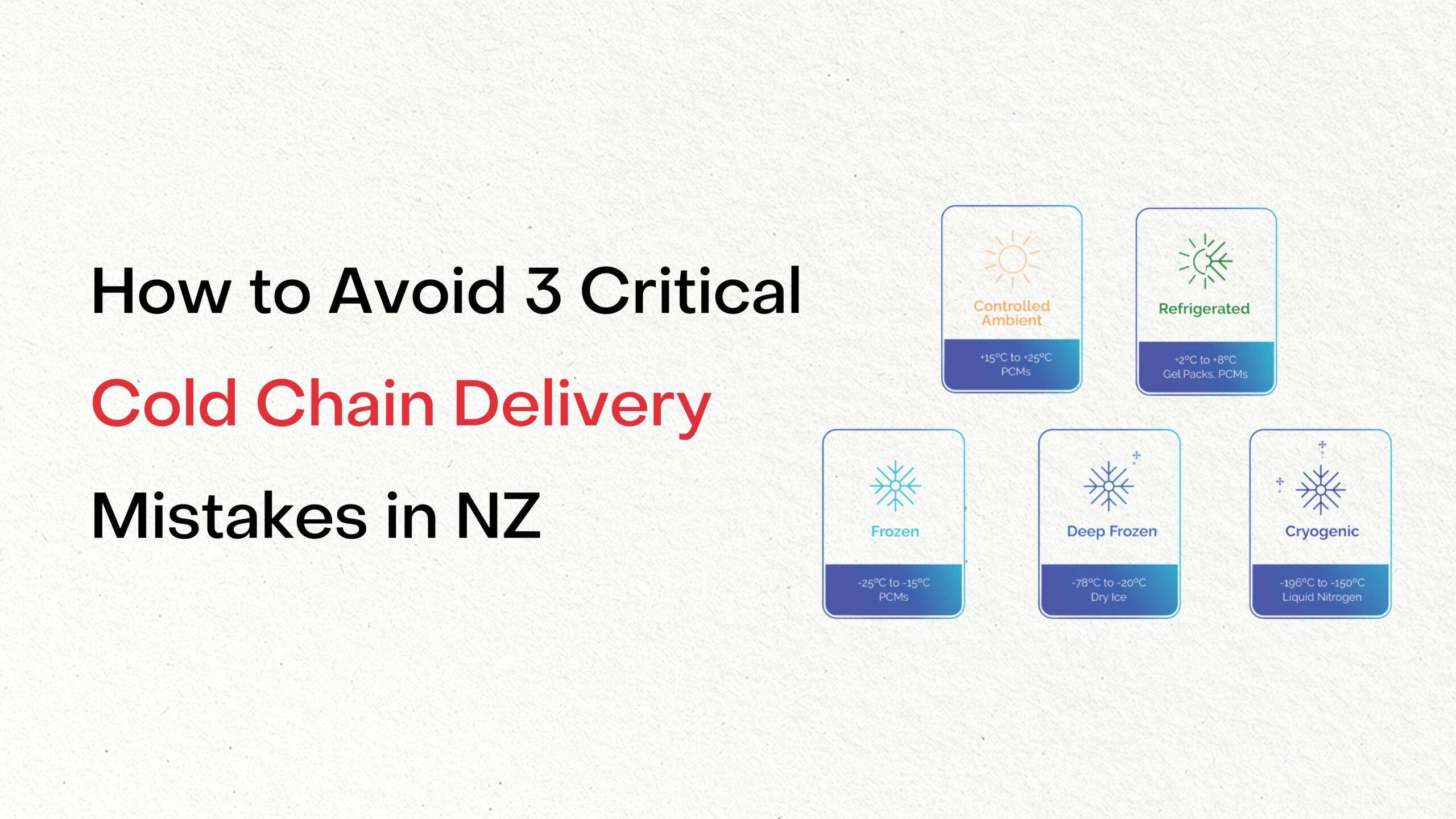
How to Avoid 3 Critical Cold Chain Delivery Mistakes in NZ
Cold chain delivery mistakes don’t usually happen because something gets warm.
They happen because the process around the delivery isn’t controlled.
When healthcare teams search for a cold chain courier New Zealand or temperature controlled transport NZ, they’re trying to avoid exactly that.
Here are three of the most common mistakes — and how to prevent them.
1. Relying on Temperature Alone
Keeping something cold is not the same as controlling the journey.
Common issue:
- Products remain within range
- But delays, handling, or exposure still compromise integrity
This affects:
- vaccines
- blood products
- clinical trial samples
- pharmaceutical courier NZ movements
How to avoid it:
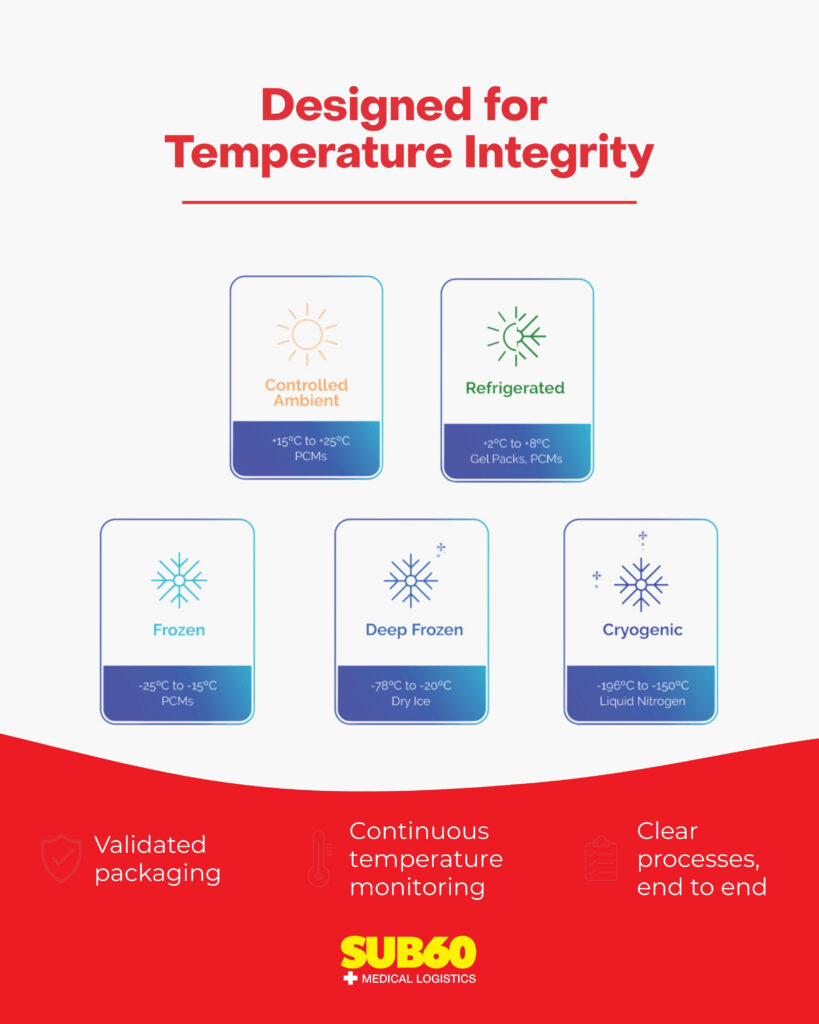
• Use validated packaging (not generic cooling)
• Ensure active temperature monitoring
• Plan the full journey — not just the transport
Cold chain is a system — not a condition.
2. Treating Multi-Stop Deliveries as Standard
In NZ, many medical deliveries involve:
- Auckland → Rotorua → Whangarei routes
- Multiple labs or clinics
- Remote or time-sensitive drop-offs
Common failure:
- Each stop adds delay or exposure
- No structured coordination between locations
How to avoid it:
• Map delivery sequence intentionally
• Align with lab cut-offs and clinic windows
• Use controlled handovers between sites
Cold chain delivery is not point-to-point.
It’s a managed journey.
3. No Visibility When Things Shift
When something changes mid-delivery, most failures happen here.
Without visibility:
- delays go unnoticed
- escalation happens too late
- teams are left chasing updates
How to avoid it:
• Use real-time tracking
• Set clear escalation pathways
• Work with teams who can act immediately
Visibility reduces risk.
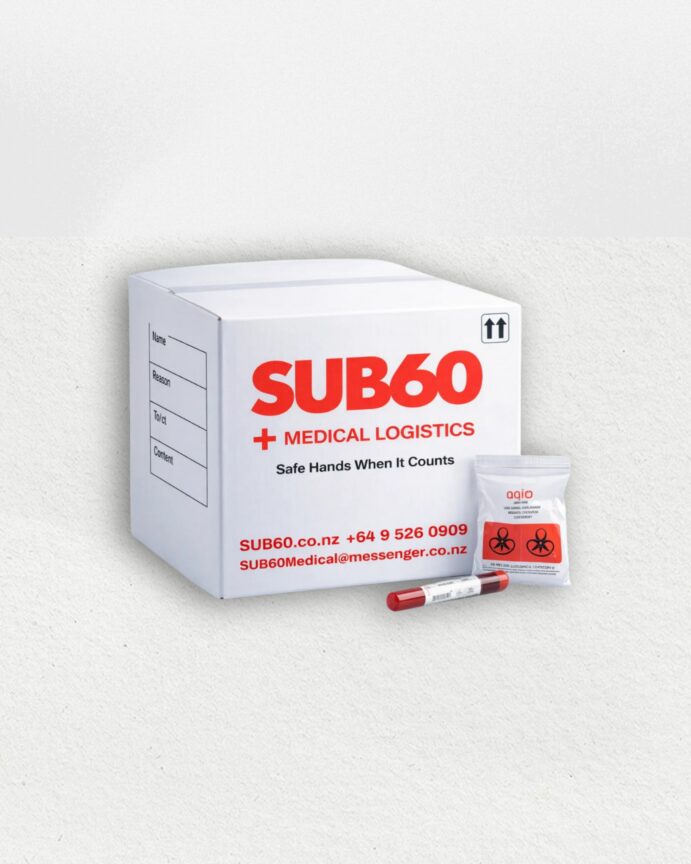
Case Example: Multi-Site Vaccine Delivery in NZ by SUB60 Medical
A recent vaccine delivery required movement across multiple regions, including remote clinics.
The challenge wasn’t just maintaining temperature.
It was:
- coordinating timing between sites
- managing multiple handovers
- ensuring controlled delivery windows
By structuring the full journey — not just the transport — the delivery was completed within required conditions and timeframes.
Why This Matters in NZ Healthcare
New Zealand’s geography adds pressure to medical logistics:
- long regional distances
- remote clinics
- multi-site coordination
- time-critical workflows
Cold chain failures here are rarely technical.
They are operational.
Final takeaway
Cold chain delivery doesn’t fail because of temperature.
It fails because of how the job is managed.
Avoiding these 3 cold chain delivery mistakes:
- protects product integrity
- reduces operational risk
- supports clinical outcomes
Because in medical logistics, control matters more than speed.